


























 English
 Nederlands
 Deutsch
 English
 Français
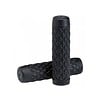
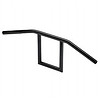


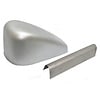
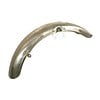
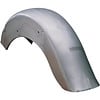

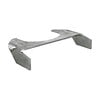
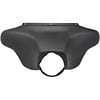
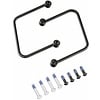
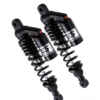






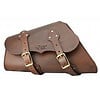
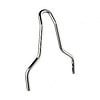
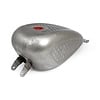
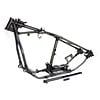
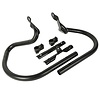
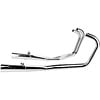
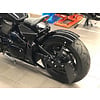
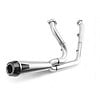
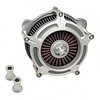
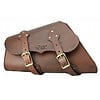
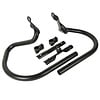
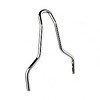
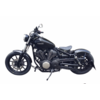
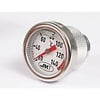
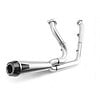
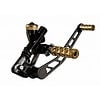















A Beginner’s Guide to Choosing a Style Between Bobber, Old-School, Club Style, or Touring.
Here’s the truth: your signature style is not chosen, it's created. And it all starts with understanding not only the appearance, but also the components, ergonomics, and riding purpose that each style offers.
Each style: Bobber, Old-School, Club Style and Touring is based on different parts and build concepts. Let’s go over them in depth so you can make an informed decision.
1. Bobber Style
Explore: ChopperShop Bobber Collection
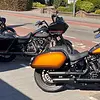
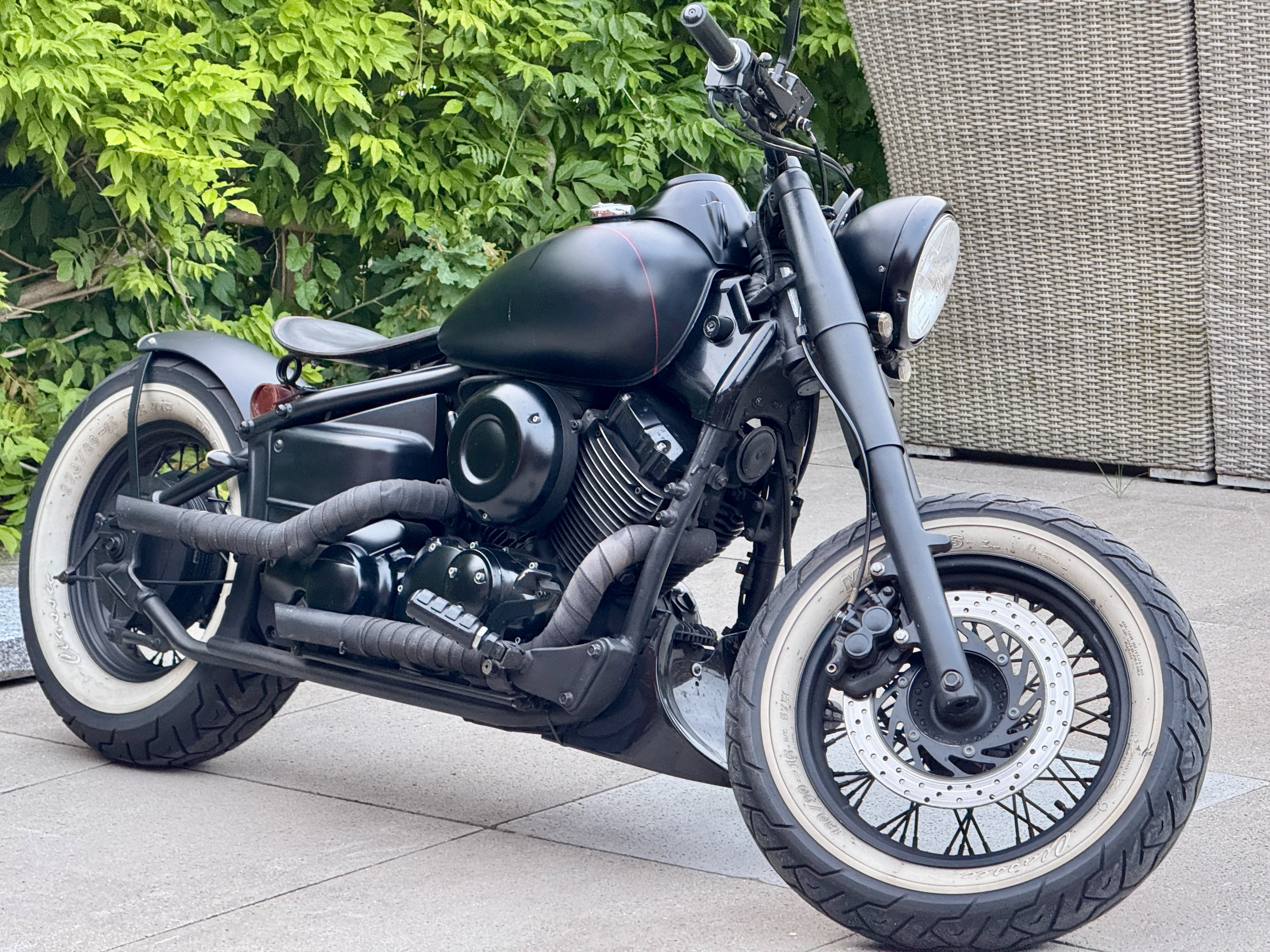
Bobber bikes keep things simple and instead of adding more parts or features, this style focuses on removing everything that isn’t necessary. This results in a low, sleek bike with a strong presence, with a single rider and a simple, minimalist design.
The style appeared in the United States in the 1930s, and after World War II, it became extremely popular. The process of cutting down or bobbing the fenders to remove extra weight and provide a tighter, more compact style is termed "bobber."
Many motorcyclists came back from World War II with access to cheap motorcycles and motorcycle parts, in addition to their mechanical skills. Therefore, they began to modify their motorcycles to suit their individual needs rather than leaving them in their factory standard form.
The majority of early designs used American V-twin engines since they were simple and accessible. Unlike later chopper builds, which frequently involved significant frame changes, bobbers typically kept their standard frames.
As a result, bobbers are often viewed as one of the first structured methods to motorcycle customization: less about creating new geometry, and more about redefining what a bike actually requires.
Parts:
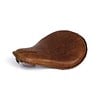
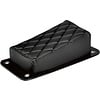
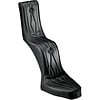
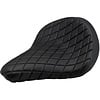
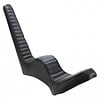
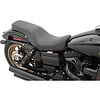
Solo Seat : A single seat design is crucial. Mounted on the frame or with limited suspension, it reinforces the stripped-back approach and highlights the bike as rider-oriented. Leather finishes are often used to achieve a look that is more authentic.
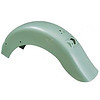
Rear fenders shortened or removed: Bobbed fenders are essential to the style. Cut-down steel or aluminum fenders follow the curve of the rear wheel closely, or are completely removed, exposing more of the tire and refining the rear profile.
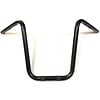
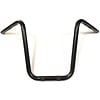
Handlebars: Drag bars, low custom bars, and mini ape hangers are usually used. These modifications maintain the front end looking clean while promoting a comfortable but controlled riding position.
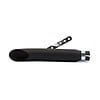
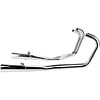
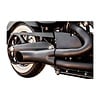
Exhaust Systems: The bike's appearance and sound profile are enhanced by short, straight, or staggered pipes. The pipes are normally made of stainless steel or chrome.
Tires and Wheels: To provide the bike with a powerful and robust stance, a bigger rear tire is used. The bobber style is accentuated by the contrast between the large rear and the small front.
Lighting: The lighting is kept minimal. The small round headlight, compact indicators, and simple taillight designs minimize visual clutter while maintaining the minimalist appearance.
Who it is for:
- Riders who want a minimalist, mechanical aesthetic
- Builders that enjoy DIY modifications.
- Short-distance riders who prioritize appearance over comfort
Bobbers look amazing, but the trade-off is comfort. The thin seats and lack of suspension make them less practical for long distances.
2. Old-School Style
Explore: ChopperShop Old-School Collection
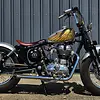
The old school chopper style represents the beginning of the custom motorcycle style. A new generation of motorcyclists who wanted to get free from the constraints of the factory and produce something totally unique created this style, which emerged in the late 1950s and became popular in the 1960s and 1970s.
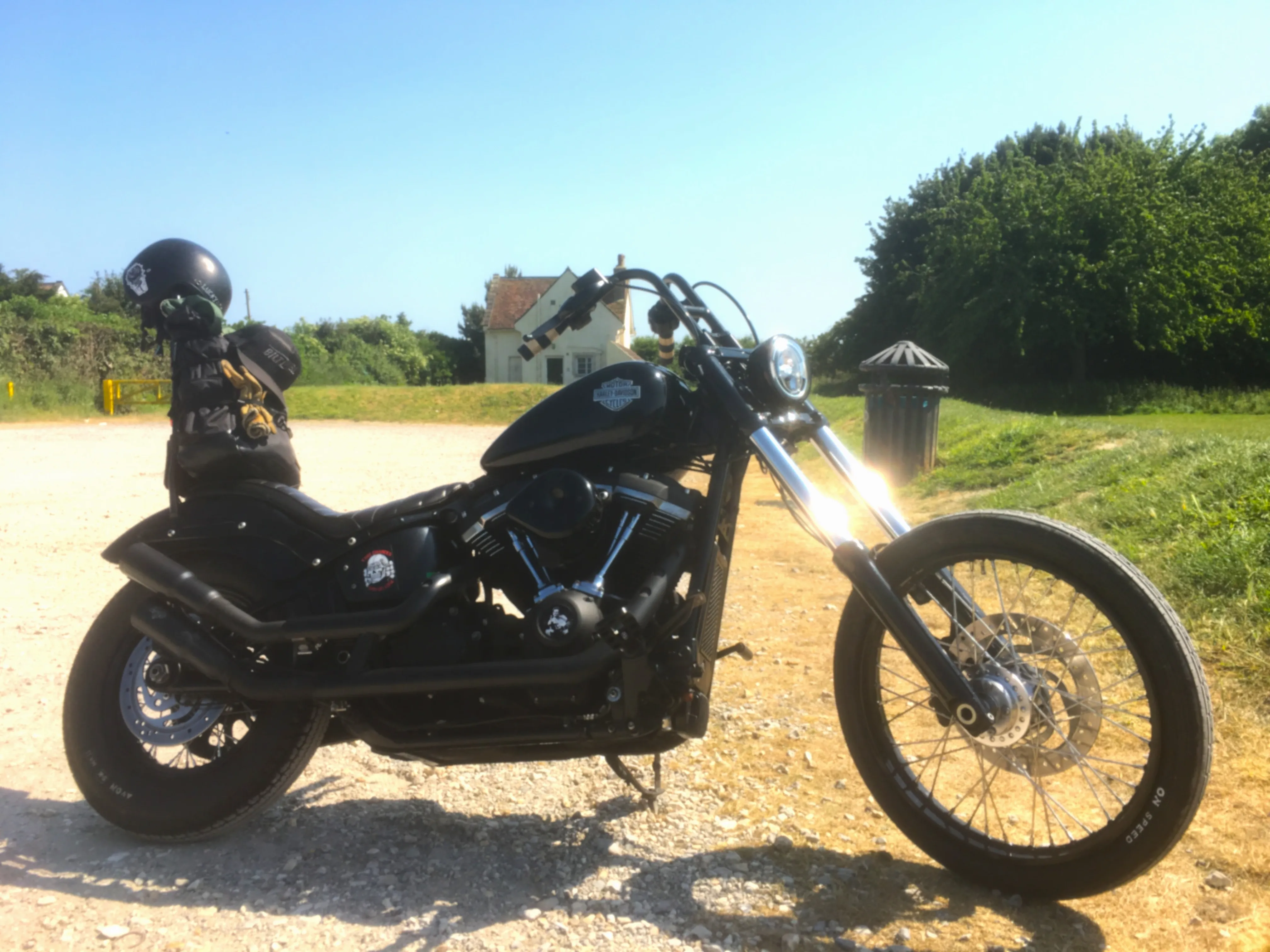
Unlike bobbers, who focused on getting rid of parts, chopper builders started entirely rebuilding motorcycles. Frames were cut and welded, front ends were stretched, and proportions were exaggerated to create a machine that did not look like anything off a factory floor. The goal was not speed or practicality, but expression, each bike was designed to be special.
Early builds usually began with Harley-Davidson models, due to their availability and ease of operation. As the style evolved, it became closely associated with American custom culture, gaining popularity through films, magazines, and custom events while establishing itself as one of the most recognizable forms of motorcycle expression.
Parts:
Front-end (forks): Extended forks are the defining feature. By increasing rake and trail, they achieve the long, stretched stance that defines the silhouette. Springer forks or extended telescopic forks are frequently used for visual impact and old-school authenticity.
Handlebars: Ape hangers are essential. They raise the rider's arms above shoulder level, drastically changing posture and giving the bike a unique profile. Variations in height and width can have a major impact on both comfort and control.
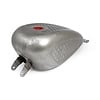
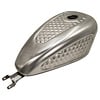
Fuel Tank: Custom narrow tanks, often known as "peanut" tanks, are mounted higher on the frame. This exposes more of the frame backbone and results in negative space, which is an important visual aspect in chopper design.
Frame Geometry: Hardtail frames or significantly modified frames eliminate the rear suspension entirely, resulting in a solid structure. This creates a smooth, uninterrupted line from front to back, but it also results in a rougher ride.
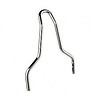
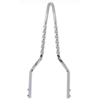
Sissy bars: The tall sissy bars bring vertical balance to the long frame and extended forks. They were originally designed to hold gear or support a passenger, but they have since evolved into an iconic stylistic feature.
Wheels and tires: A small front wheel combined with a slightly bigger rear wheel improves the stretched appearance. Spoked wheels are commonly used for a more classic appearance.
Lighting and Details: The vintage feel is enhanced by handcrafted metal components, minimalist indicators, and vintage-style headlights. The design is further customized with chrome accents, pinstriping, and custom paint.
Who it is for:
- Riders who are drawn to heritage and uniqueness
- Builders who embrace craftmanship and originality
- Individuals who view their bike as a statement.
Handling is less practical. Tight corners, city traffic, and daily commute might be difficult. This is a style that prioritizes identity over efficiency.
3. Club Style
Explore: ChopperShop Club Style Collection
Club Style motorcycles are made with the intention of use, performance, and functionality. Even though the exact origin of the style is still not known, it is believed that the style was formed as a result of the changing riding conditions, the strict traffic rules, and the demand for motorcycles that were capable of handling speed, distance, and performance without compromising any of the aforementioned elements. The riders, who were mostly part of motorcycle clubs, made modifications to the motorcycles with the intention of increasing the speed, stability, and ability to handle difficult riding conditions.
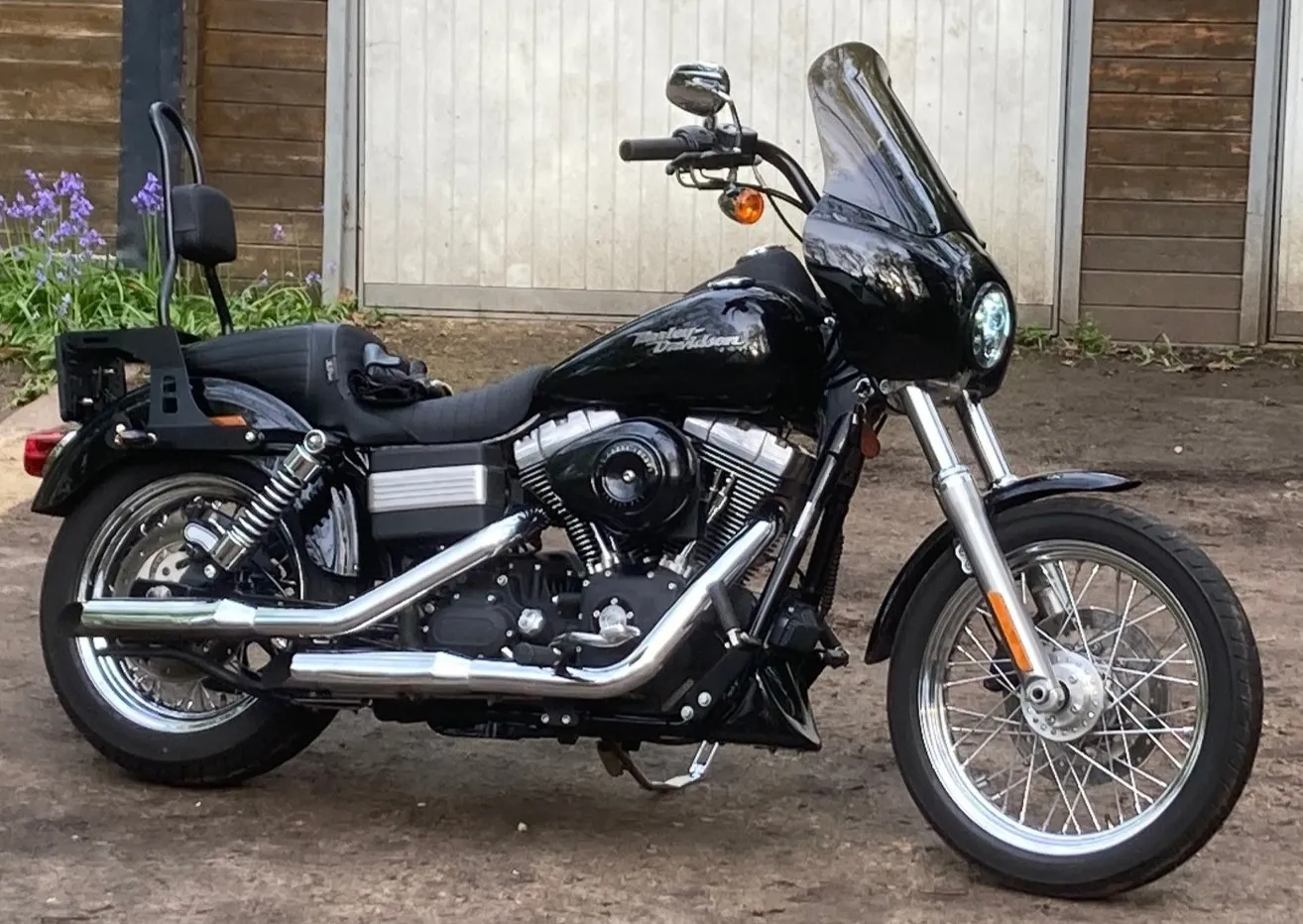
Motorcycles such as the Harley Davidson FXR became popular for the build in the United States, particularly on the West Coast. The design of the motorcycle's frame was quite advanced, and in addition to that, the rubber-mounted engine made the motorcycle stand out from the rest, as the engine was more stable compared to the previous versions. The motorcycle was also ideal for the build, as it was fast, reliable, and easy to modify. The features were retained in the upgraded versions such as the Dyna.
Club Style motorcycles became popular as the style took shape as they were not only aggressive but also had some useful customizations. The build is different from the Bobbers and the Old School as the focus is on performance rather than minimalism and the lack of identification. All the modifications made to the motorcycle are with the intention of creating a strong reputation while riding.
Parts:
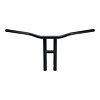
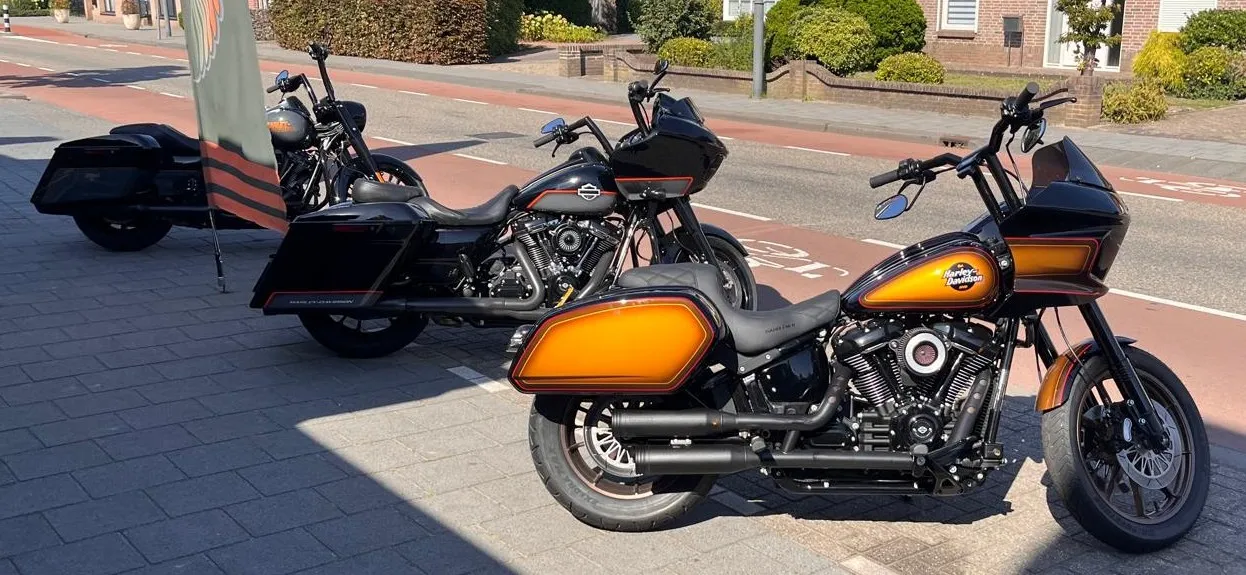
Handlebars (T-Bars): The tall T-bars, also known as the moto handlebars, provide greater leverage while riding, especially at high speeds. The handlebars also provide an aggressive riding position.
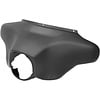
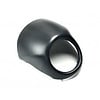
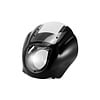
Fairings: Front fairings such as a quarter fairing and a full fairing also help in reducing wind resistance and fatigue for the rider. The bikes also have an aggressive look due to these fairings.
Suspension: Upgraded suspension systems are required for this style of bike. The rear shocks are taller and upgraded front forks are required for better ground clearance and cornering capabilities.
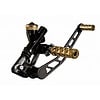
Controls: The mid-controls position the rider in a balanced position and are required for better control and a balanced weight distribution for high-speed riding.
Braking System: Upgraded braking systems such as high-performance brake calipers and discs are required for this style of bike due to the high speed and riding intensity.
Engine and Performance Upgrades: Engine and performance upgrades are also a part of most of the Club Style bikes.
Storage: Storage is also a requirement for these bikes. The rider may use compact saddlebags for storing essential items without compromising the overall look of the bike.
Who it is for:
- Riders seeking speed, control and daily use
- Those who ride aggressively or commute regularly
- Builders who prioritise functionality customisation
This style can become expensive fast because of the performance improvements, but it strikes the ideal balance between practicality and attitude.
4. Touring Style
Explore: ChopperShop Touring Style Collection
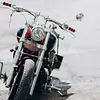
Touring motorcycles are bikes that are designed to travel long distances. This style of motorcycle was created because of the need for bikes that could allow long hours of riding without compromising the riding experience and functionality of the motorcycle.
Touring bikes are very popular due to the principles and requirements of these bikes. The bikes were developed in the mid-20th century when manufacturers developed bikes specifically for touring. The principles and requirements of these bikes have been developed over time by riders and builders.
Unlike other styles that highlight minimalism or visual impact, Touring focuses on endurance. Every component is meant to reduce tiredness and improve comfort during long trips.
Parts:
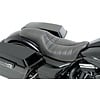
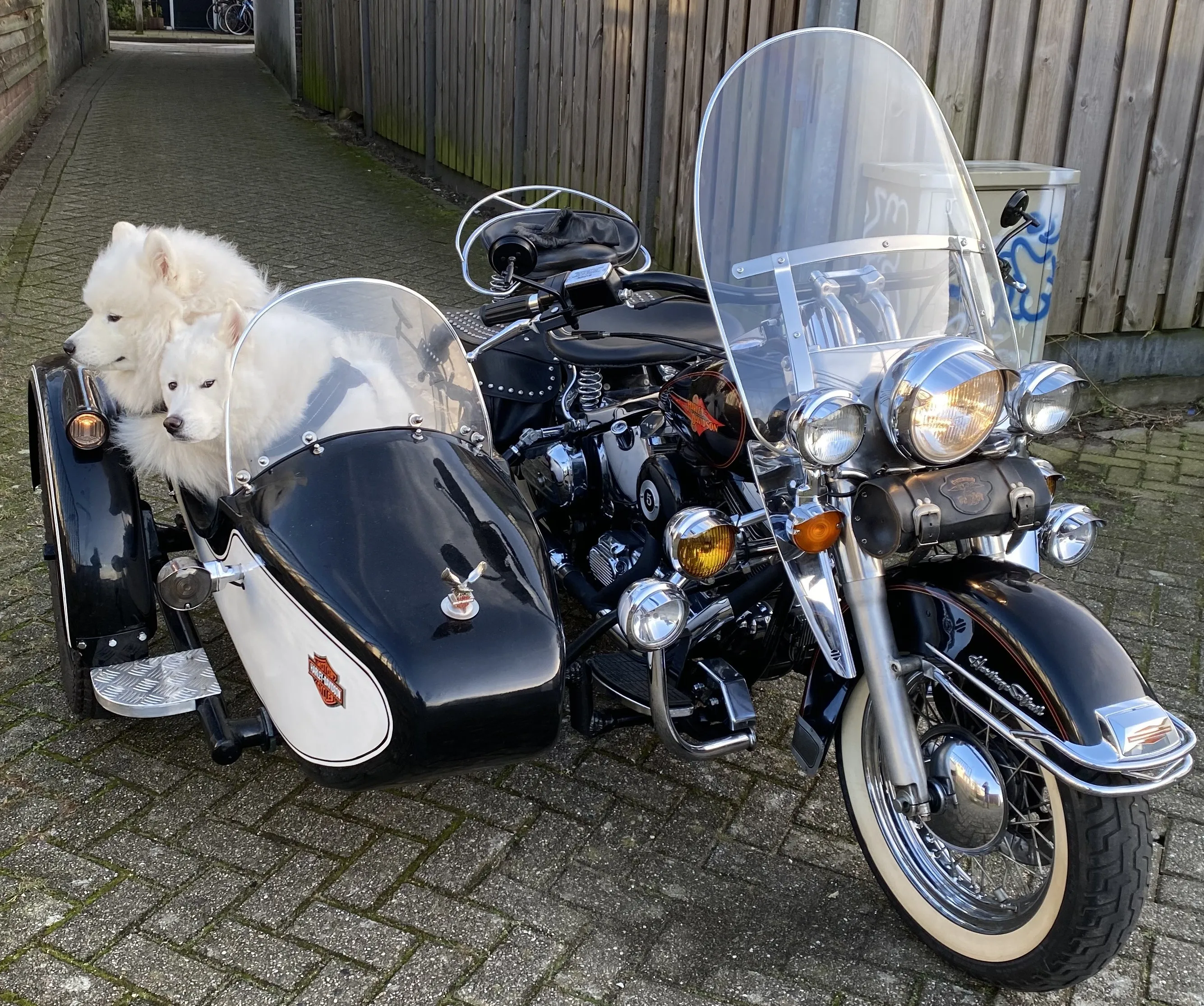
Seat: Large and cushioned seats are required for touring bikes due to the long distances covered by the bikes. The bikes also have passenger seats and backrests for better comfort and support for the passenger.
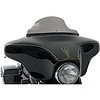
Wind Protection: The bikes have fairings and windshields that provide protection for the rider from wind, rain, and other debris that might interfere with the bike during long hours of riding.
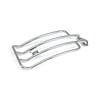
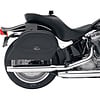
Luggage: Saddlebags and top cases are required for these bikes for storing essential items for long periods of time. The bikes also have a baggage rack for storing essential items for long hours of riding.
Handlebars: Comfort-oriented handlebars can help maintain a more upright riding position, which is easier on the back and shoulders.
Suspension: Touring bikes may offer various suspension systems that can handle more weight while offering a comfortable ride.
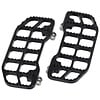
Crash Bars and Accessories: Crash bars are safety features of a bike that can add protection while allowing riders to add more accessories like highway pegs.
Electronics and Utility: Touring motorcycles may offer various features like navigation systems, charging points, and heated grips.
Who it is for:
- Riders who make long trips or multi-day rides
- Those who value comfort and storage
- Anyone who sees riding as travel rather than just style
Touring motorcycles lose their simple, raw appearance, but gain superior functionality.
Choosing Your Style
Instead of deciding only on appearance, consider using the following framework:
Short, urban rides – Bobber
Expression and custom craftsmanship – Old-School
Performance and daily rides – Club Style
Long-distance travel – Touring
Then, determine your build with three crucial components:
- Handlebars
- Seat
- Fender/rear setup
These parts define your riding stance, appearance, and overall direction. Every custom bike has its own story, but it is told through its parts. A single seat transforms a bike into a Bobber. Ape hangers and extended forks turn it into a chopper. T-bars and fairings bring it to Club Style area. When you add comfort and storage, it transforms into a touring motorcycle.
Your signature style is created as you ride, improve, and perfect your build. Begin with the basics, select parts that match your riding style, and create a bike that reflects not only how you want to look, but also how you ride.