
































 English
 Nederlands
 Deutsch
 English
 Français



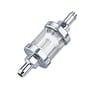
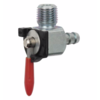
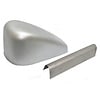

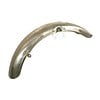
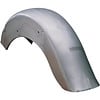

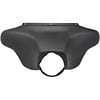












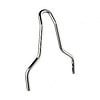
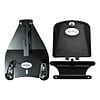
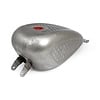
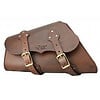
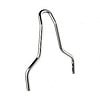
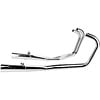
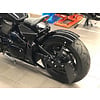
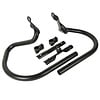
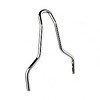

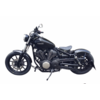
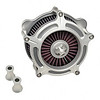
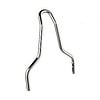
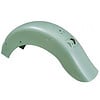
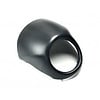

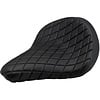
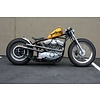
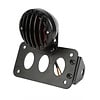
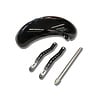

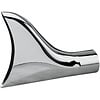















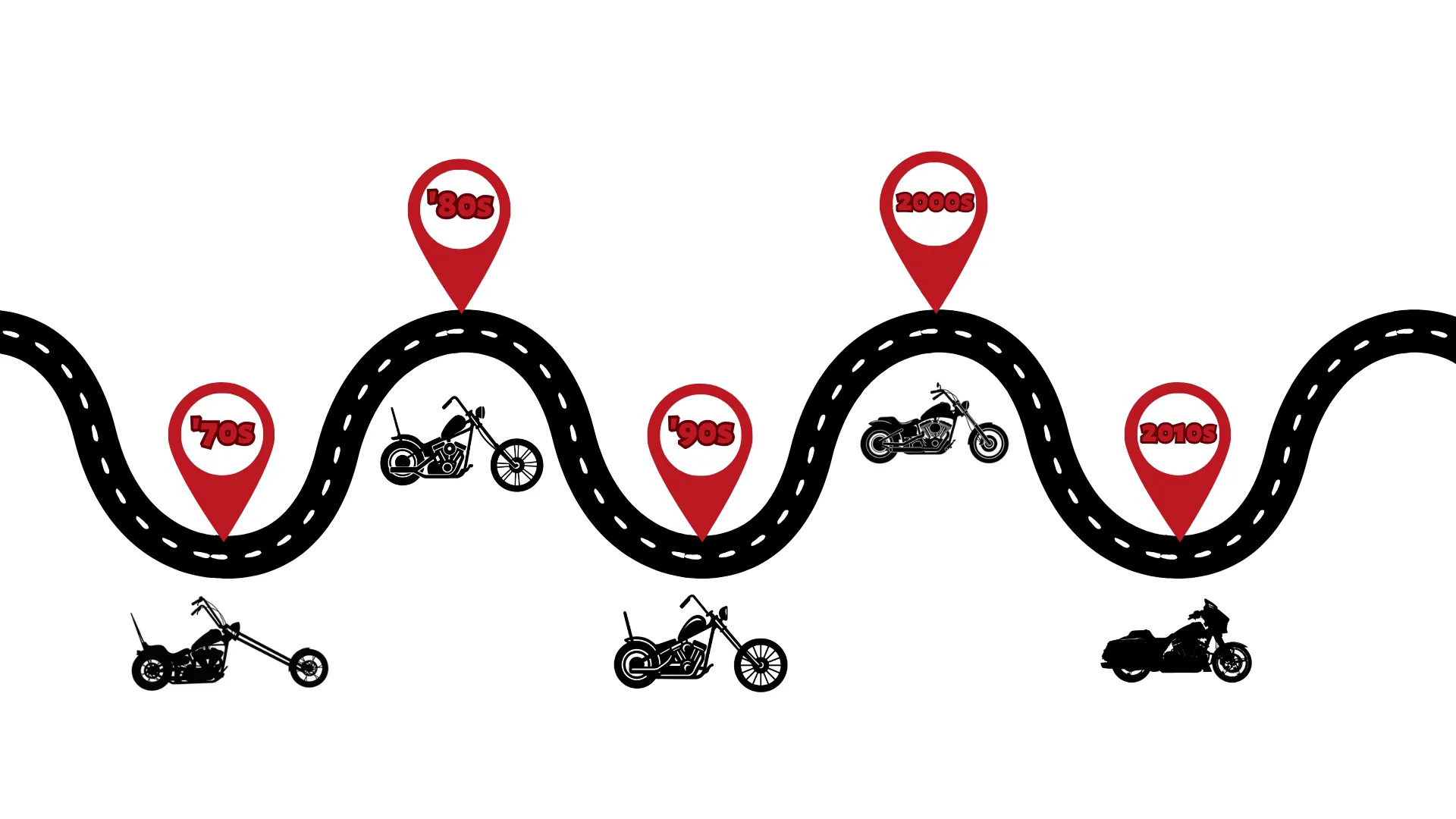
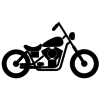
Choppers have always been more than simply motorcycles. They are about personality, originality, and creating something that feels like an extension of yourself. From the wild custom bikes of the 1970s to today's more refined models, chopper style has evolved over time, but the passion that drives it has not.
What started in garages and small shops has evolved into a global custom culture in which builders combine old school looks with modern part to create motorcycles that are both classic and practical.
The 1960s – 1970s: When the Chopper Look Was Born
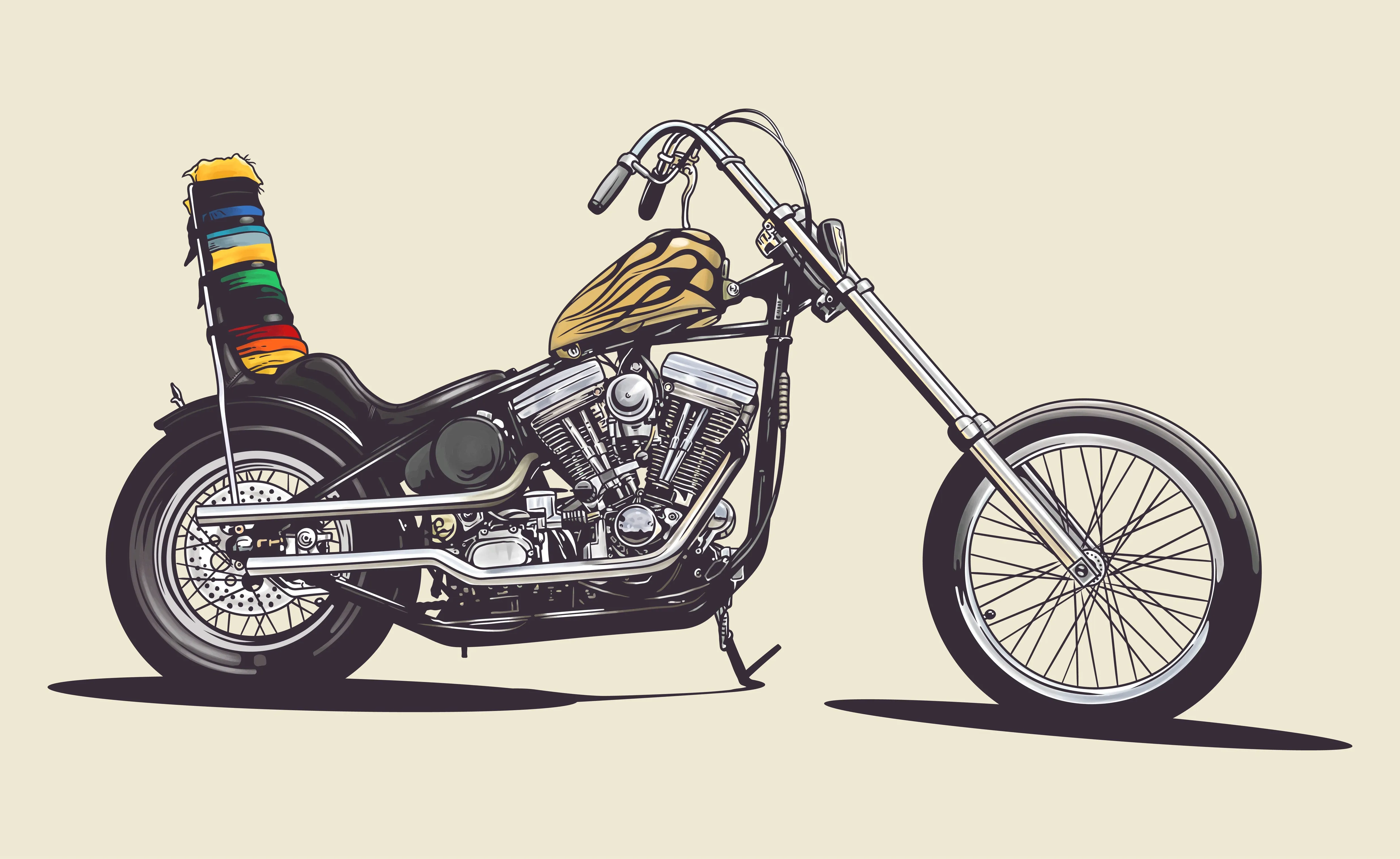
The ‘70s are what most people picture when they think of a chopper. Long front ends, skinny tires, and hardtail frames gave the bikes a stretched-out, low-and-mean look. Comfort was not the objective, making a statement was.
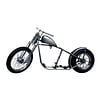
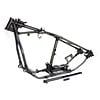
This era introduced an aesthetic that still defines choppers today. Most motorcycles were rigid-frame hardtails with long, extended front ends and simple bodywork.
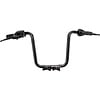
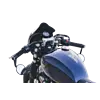
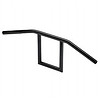
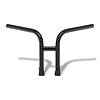
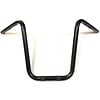
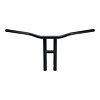
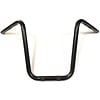
Ape hangers were more than simply looks; they were also about attitude. High bars changed how you sat on the bike and how it looked while riding. They made choppers hard to miss. Several modern builds still use ape hanger handlebars, which keeps the same tall, powerful look. The difference now is that they are cleaner, sleeker, and designed to hide cables and wiring, giving you a classic look without all that clutter.
Traditional Chopper
Era: Late 1960s to 1970s
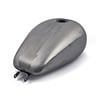
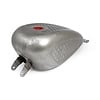
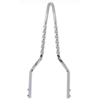
This represents the model. Long hydraulic forks or springers, hardtail frames, skinny front wheels, tall sissy bars, and peanut tanks. The motorcycles looked stretched out skeletal and raw. This is what most people picture when they hear the word "chopper."
Frisco Style
Era: Late 1960s to 1970s (San Francisco Bay Area).
Frisco choppers were stripped-down and efficient. Tanks were positioned higher on the frame (Frisco mount), fenders were minimized or removed, and the bikes had a lean, aggressive look. These bikes prioritized utility and simplicity over appearance.
Long Bike/Show Chopper (Early Form)
Era: 1970s
These bikes increased length and height far more. Extra-long forks, tall sissy bars, vibrant colours, and dramatic dimensions. These were among the first real show-oriented choppers, designed to be noticed just as much as being ridden.
King and Queen Cruiser Chopper
Era: 1970s
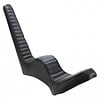
Designed for lengthy rides and two-person cruising. These choppers kept long front ends and hardtails while adding tall king and queen seats and often larger tanks. They combined chopper style with a little more comfort.
The 1980s: The Increase of Custom Shops and Soft Rear Choppers
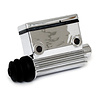
The 1980s saw improvements. Builders aimed for cleaner builds, better parts, and more consistent production. Rear suspension became more popular, changing both the comfort and appearance. Builders focused on features like upgraded master cylinders and cleaner bar and control mounting options. These parts created bikes that looked more intentional and professional in design.
Soft Rear Chopper
Era: Late 1970s to 1980s
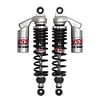
These bikes had swingarm rear suspension with visible shocks. They looked bulkier in the rear, but significantly more comfortable. They kept the original chopper front ends, but made them more practical for actual riding.
Pro Street Influence
Era: 1980s
While not purely choppers, pro-street modifications impacted chopper design. Wider rear tires and lower stances slowly started to appear, reducing the difference between choppers and performance customs.
Magazine/Show Chopper
Era: 1980s
Designed for publishing and display. High polish, chrome, improved wiring, and dramatic paint. These bikes had iconic chopper styling but were significantly more polished and aesthetic.
1990s: Softail Era, Precision Custom
The 1990s saw a major change in chopper design. Hidden rear suspension enabled a rigid-frame look while providing modern comfort.
Softail Chopper
Era: Late 1980s to 1990s
Softail frames dominate. These bikes resembled hardtails but rode like soft rears. They were cleaner, lower, and more sophisticated, eventually becoming the norm in professional custom shops.
Clean Custom / Minimalist Chopper
Era: 1990s
Concentrated on visual simplicity. Hidden wiring, small gauges, clean frames, and simple paint. These bikes looked modern while maintaining classic chopper characteristics.
Retro Revival Chopper
Era: 1990s
Some builders used current tools to recreate authentic '60s and '70s styles. Narrow tanks, tall bars, and traditional proportions have returned, but with improved fit and finish.
2000s: Wild Show Choppers and Pop Culture
This era pushed chopper looks to their limits, bringing them fully into the mainstream.
American-Style Show Chopper
Era: Early to Mid 2000s
Extreme rake, incredibly long forks, lavish paintwork, and dramatic frames. Built for visual impact and television. These bikes shaped public opinion of choppers for a generation.
Big-Wheeled Chopper
Era: 2000s
Oversized front wheels and exaggerated proportions gained popularity. These bikes focused more on shock value than classic chopper looks.
Hybrid Custom Chopper
Era: 2000s
Combined chopper elements with modern cruiser and sport influences. These motorcycles didn't always fit completely into one category.
2010s–Today: Traditional Revival and Functional Choppers
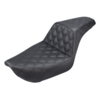
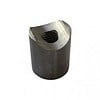
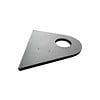
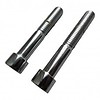
Modern chopper culture has mostly returned to its origins, with a focus on authenticity, comfort, and individual expression. Part of what has kept chopper culture alive is the hands-on part of building the motorcycle. Many riders continue to build their own setups with DIY seat parts, weld-on tabs, and custom mounting points.
Traditional Revival Chopper
Era: 2010s until Today
Builders strive to recreate authentic antique choppers as closely as possible. Hardtails, skinny tires, tall sissy bars, narrow tanks, and classic proportions dominate.
Performance Chopper
Era: 2010s until Today
Combines chopper design with modern brakes, suspension, and geometry. These bikes look old-school, yet they ride far better than traditional models.
Bobber/Chopper Hybrid
Era: 2010s until Today
A crossover style. Shorter fenders, solo bobber and chopper seats, smaller exhausts, and minimalist bodywork. These bikes fall somewhere between traditional bobbers and vintage choppers.