

































 English
 Nederlands
 Deutsch
 English
 Français
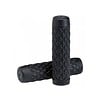
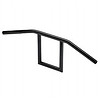
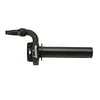
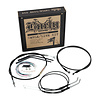
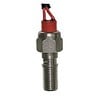
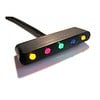
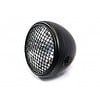
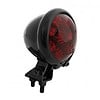
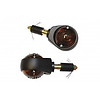
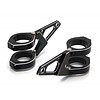

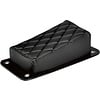
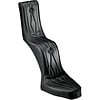
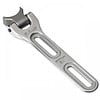
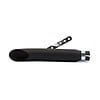
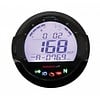
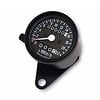
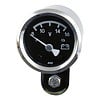
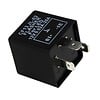
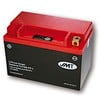
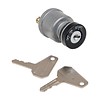




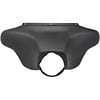
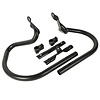
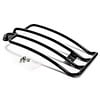
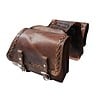
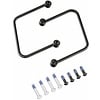
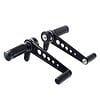
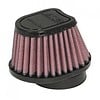
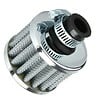

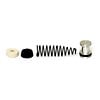
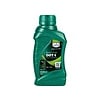
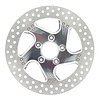
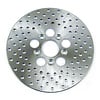
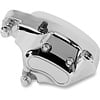
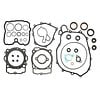

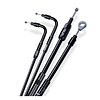

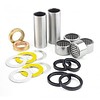
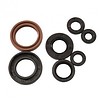
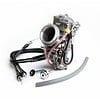
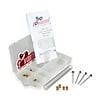
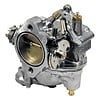
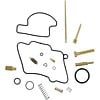
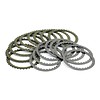

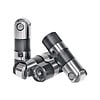
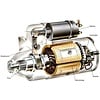
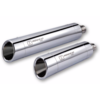
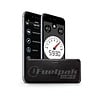
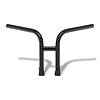
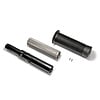
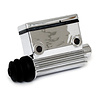
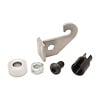
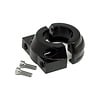
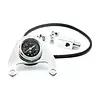
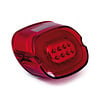
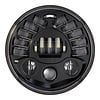
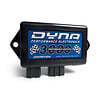

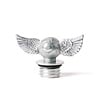

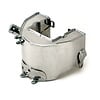
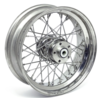
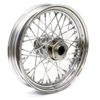
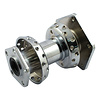
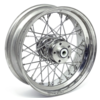
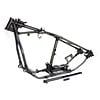
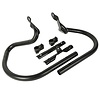
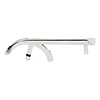
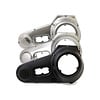
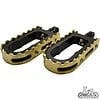
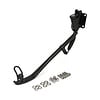
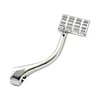
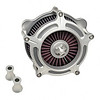

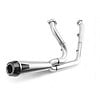
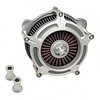

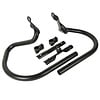
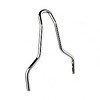
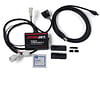

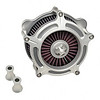

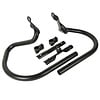
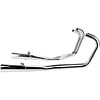

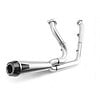
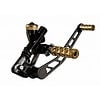
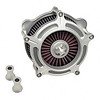
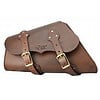
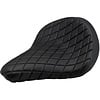
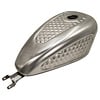
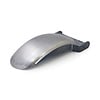


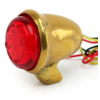
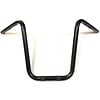
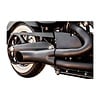
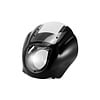
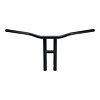
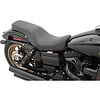



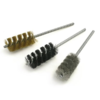

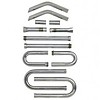










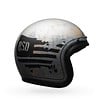
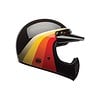


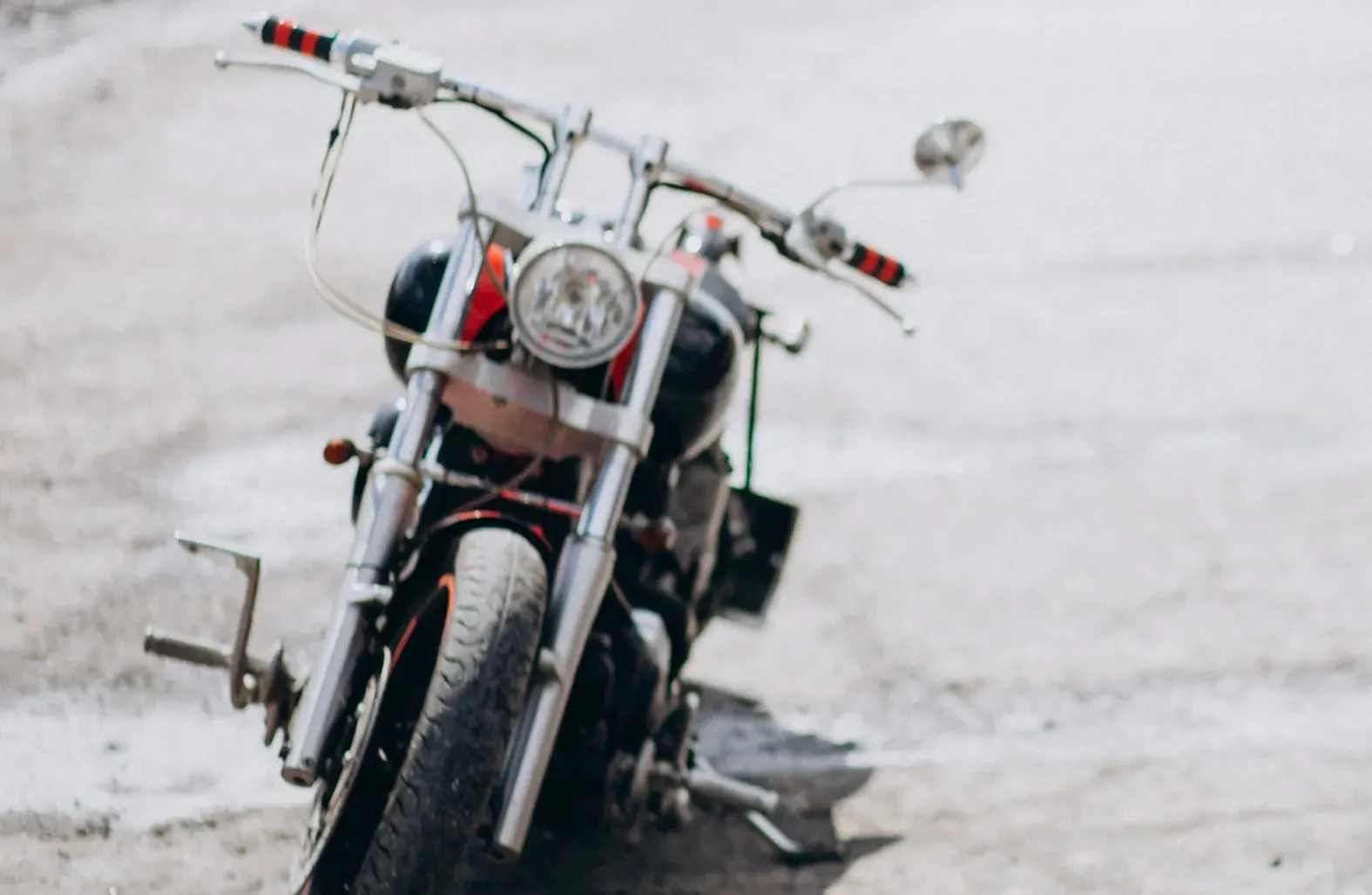
Winter isn't a pause for most chopper riders; it's their opportunity to build. Short days and cold roads mean fewer miles, but more hours spent in the garage. It's the perfect to take care of any details you overlooked during the riding season.
Instead of rushing repairs between rides, winter lets you plan upgrades. Whether you want improved reliability, cleaner wiring, or a more comfortable riding position, the work you do now will benefit you when the roads dry out.
Ignition and spark system
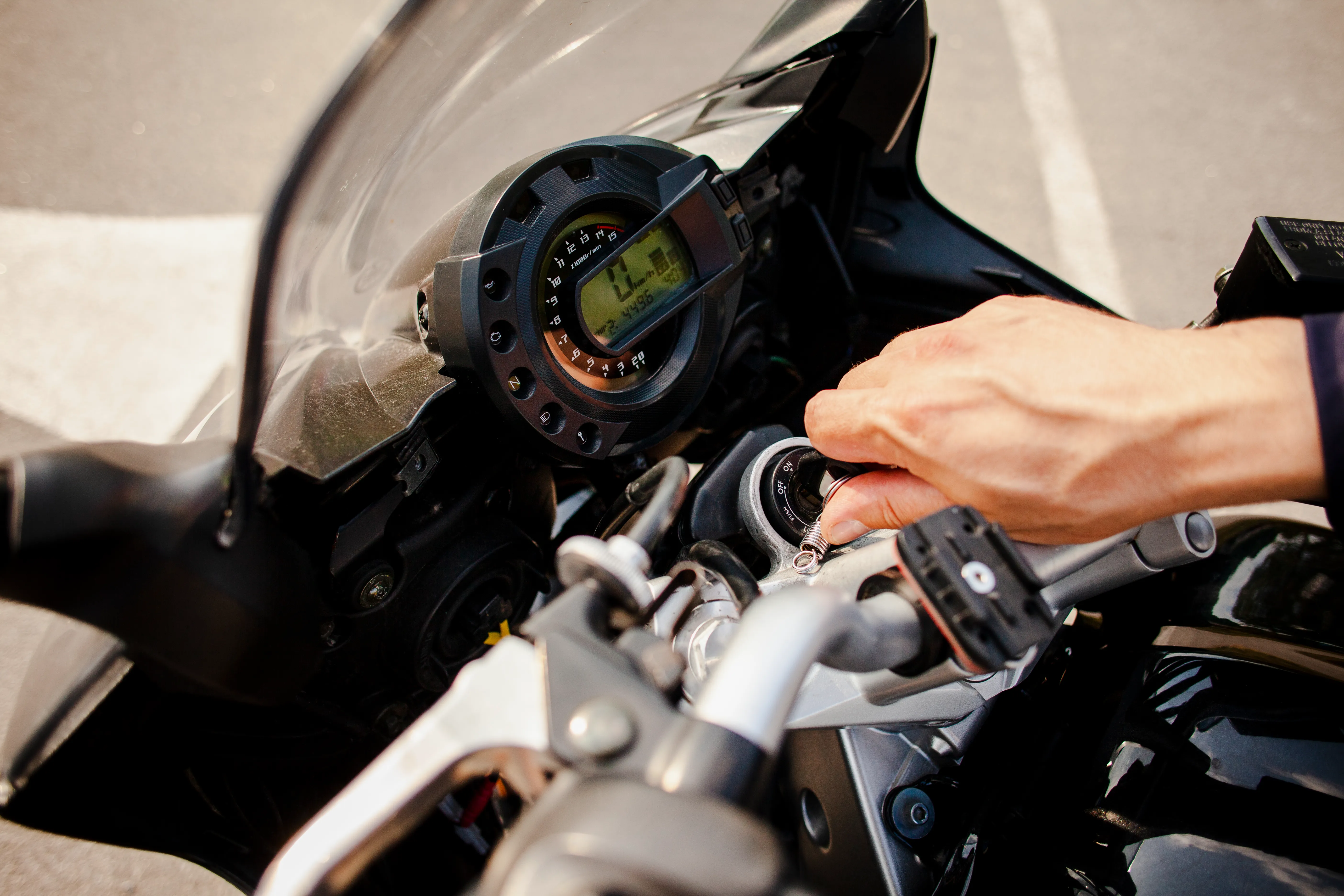
The ignition system is the heart of your chopper, and winter is a great opportunity to check and repair important parts without the pressure of wanting to ride.
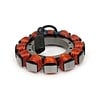
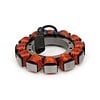
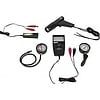
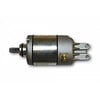
To check if the stator is producing enough power, use a multimeter because a weak or inconsistent stator can lead to slow starting and unnecessary pressure on the battery.
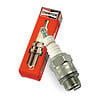
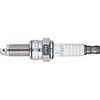
It is also important to check the spark plugs as well because even if they seem to be in good condition, mileage and age can influence them. Check your service book or the owner’s manual where you can find the suggested replacement intervals and following these recommendations will help with having more consistent ignition, better throttle response and good engine efficiency.
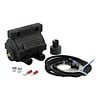
Lastly, inspect the ignition coils for cracks, wear and corrosion. Even small issues can cause bigger problems down the line.
Conducting a full ignition maintenance in the winter by testing the stator with a multimeter, changing spark plugs on schedule and checking the ignition coils guarantees that your chopper is ready for the new season
Fuel System Upgrades
Even small amounts of old fuel residue can cause blocked jets, poor throttle response, and difficult starting. Ethanol-blended fuels are more prone to collecting moisture, which can cause rusting inside the carburetor and fuel tank over time.
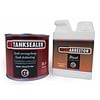
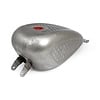
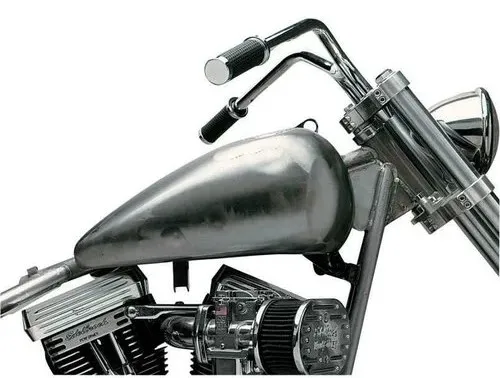
Winter is the perfect time to clean out the tank, check it for rust, and then apply Tank Seal to protect it. A sealed tank not only avoids rusting, but also keeps your fuel system running smoothly.
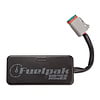
If you're thinking about upgrading your exhaust, keep in mind that it might have an impact on fuel consumption and engine performance. Using an FP4 lets you adjust the amount of fuel to match the new exhaust, keeping your chopper running smoothly.
So, take advantage of this season to:
- Drain the fuel or use a fuel stabilizer
- Inspect hoses and replace any cracked or weak lines
- Clean the carburetor jets and lubricate throttle slides
Once everything has been put back together, pay attention to the throttle response. Smooth and consistent fueling is essential for performance. Winter is the best time to fine-tune your chopper's jetting and mixture to make sure it starts and runs smoothly when spring arrives.
Controls and Cables
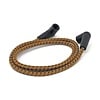
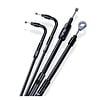
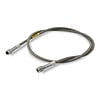
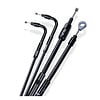
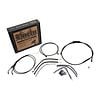
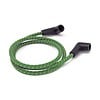
Controls are often overlooked in winter maintenance, despite the fact that they have a direct impact on both safety and rider confidence. Cables that seem slightly stiff in the summer may become unreliable in cold or rainy weather. Internal corrosion or tearing can lead to unexpected cable failure, which is dangerous especially in throttle or clutch systems.
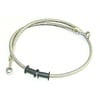
- If the throttle, clutch, or brake cables are stiff, lubricate or replace them
- Lever pivots to ensure smooth operation
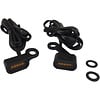
- Upgrade the grips for more comfort, especially if you are choosing heated grips or higher-rise bars
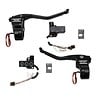
- Don’t forget to check how your brake and clutch feel at the handlebar. If the levers seem loose, stiff, or rough, cleaning, lubricating or replacing the components can make them feel smoother, giving you more control and confidence when riding.
Battery and Charging System Upgrades
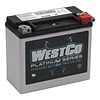
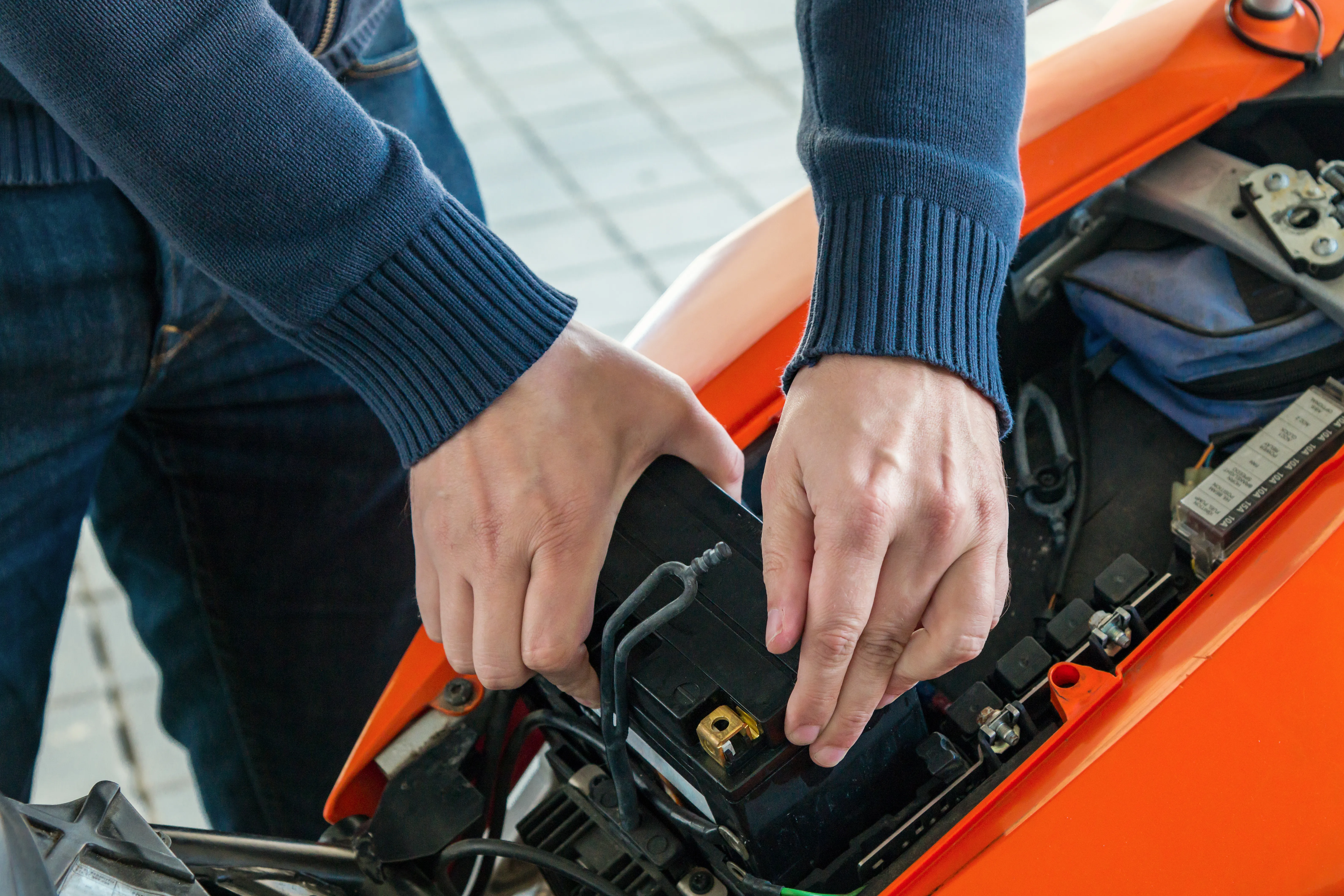
Choppers use simplified electrical systems, making a good battery and charging setup necessary. A poor battery or weak charging system could leave you stranded.
Storage in cold temperatures slowly weakens batteries and can reduce the battery's ability to hold a charge. To keep a healthy battery and prevent early degradation it is best to use a battery charger in the winter.
It is important to also inspect battery cables and main power connections for damage or looseness, especially with personalized electrical systems. Even small defects can result in difficult starting or charging issues.
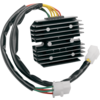
In addition, the rectifier/regulator is essential for proper charging. A defective device can overcharge or undercharge the battery, which causes faulty ignition. Upgrading to a modern rectifier/regulator increases long-term reliability, especially for older engines or custom electrical systems.
Rider Gear Inspection
Winter is also a great opportunity to give your riding gear equal attention as your chopper. Gear is your first line of protection, and after a long riding season, small issues are often overlooked. Cold, rain, and long hours on the chopper show problems in insulation, waterproofing, and overall comfort.
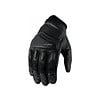
First, inspect your jacket and pants for worn stitching, damaged waterproof fabric, and broken zippers or Velcro closures. Even tiny tears can make early season rides uncomfortable and distracting. Gloves should be checked because thinning palms, poor insulation, and stiff or cracked leather can all have an impact on both warmth and grip.
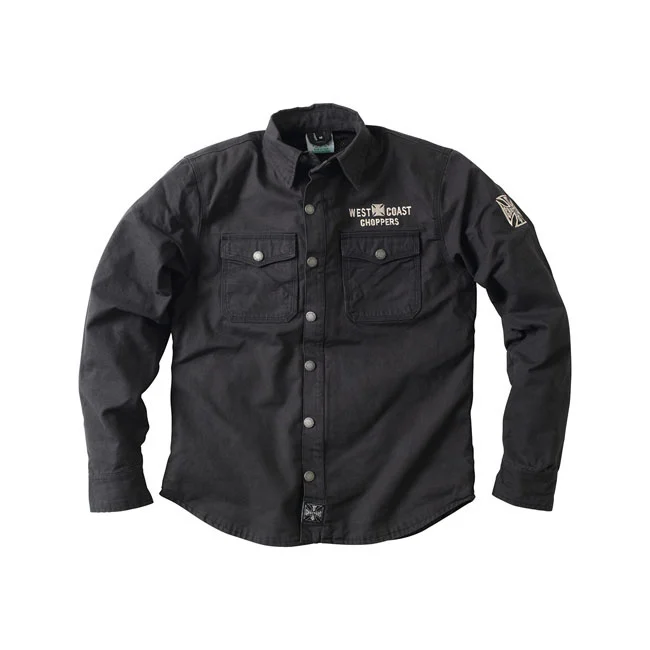
Winter is also an excellent time to clean and restore waterproof clothing by replacing worn base layers and upgrading cold-weather gear. Neck warmers, balaclavas, and thermal layers make a big difference between early spring and late fall riding. Taking care of your gear now allows you to begin the season with equipment that is comfortable, practical, and ready for long distances.